Shielding the crop. Guarding the yield.
An ultra-reliable AI crop protection operating system connecting drones, smart traps, and spraying UAVs, fully optimized for weak-network and extreme climates.
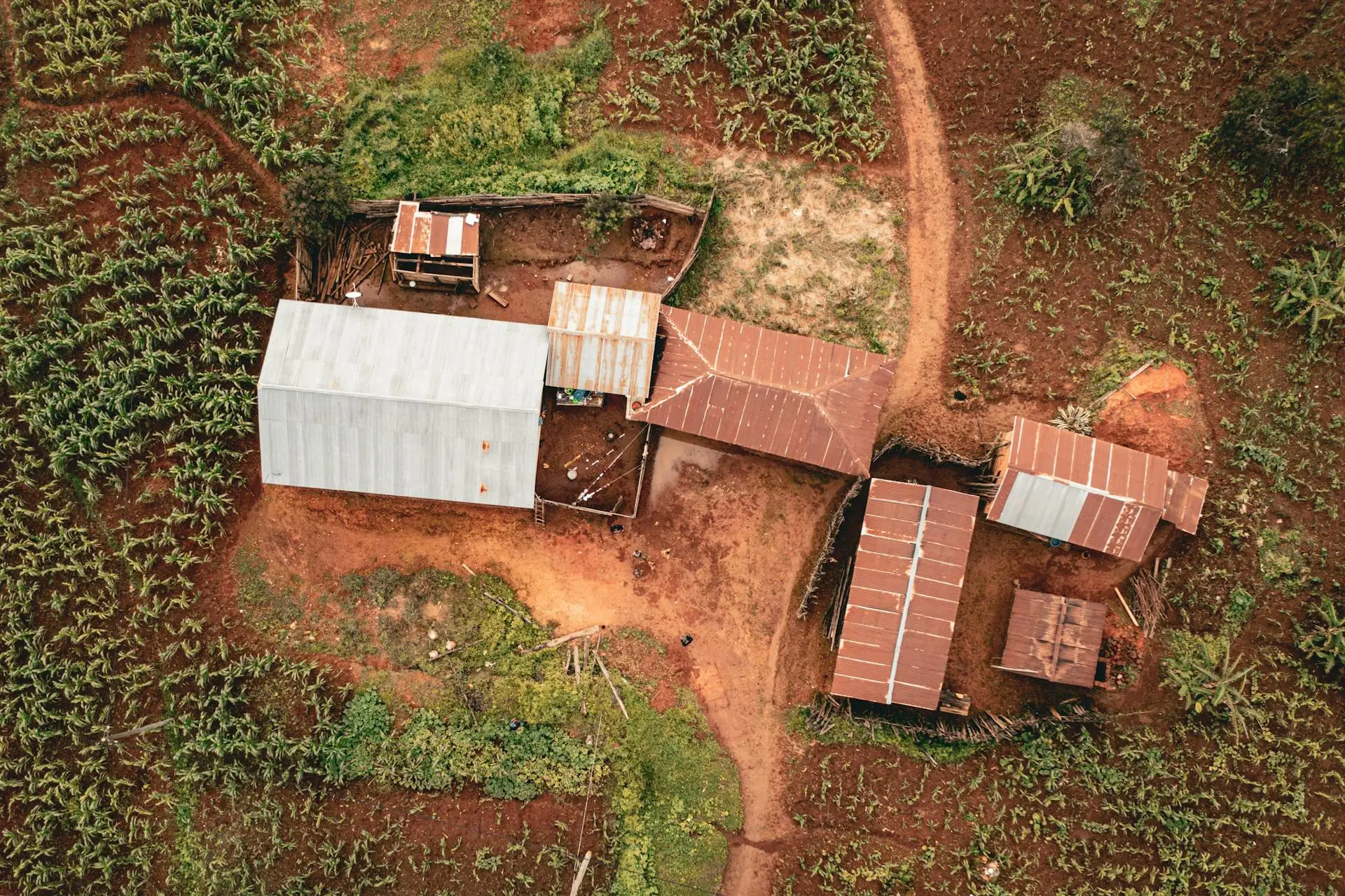
AcreScan Flight Active // Area 4A
The Field Reality
The Core Challenges in Crop Protection
Before advanced automation, farm operators faced critical bottlenecks that threatened food security and elevated costs.
Pest Outbreaks & Rapid Spread
Crop threats like fall armyworm cause $2.5B to $6.3B in Sub-Saharan African maize losses annually, threatening food security for 300 million people. Without early sensing, infestation destroys 21% to 53% of seasonal production.
Extreme Rural Climate & Dust Storms
Rural fields experience intense heat, massive dust storms (such as the West African Harmattan), and tropical monsoons. Devices must have rugged IP67 hermetic sealing and passive thermal cooling to survive years without service.
No Grid Power & Complete Internet Void
Remote agricultural sectors lack stable electricity and cellular coverage. Field controllers must run entirely on solar power and exchange data via long-range low-bandwidth local mesh networks (LoRaWAN).
Product search brief
AcreGuard crop protection answer block
This page explains AcreGuard as a crop protection OS that combines scouting flights, pest detection, edge AI, and targeted field action without relying on constant connectivity.
Pest and crop-stress detection loop
AcreGuard is framed around detecting field threats, prioritizing action zones, and routing targeted treatment through a controlled workflow.
Edge-first crop protection
The product page emphasizes local inference and field modules so scouting and response planning can continue during infrastructure disconnects.
Cooperative field operations
The product copy focuses on shared, repairable modules and practical field routines for rural operating environments.
Content brief expansion
Expanded answers for crop protection AI and pest detection
These product-page answers clarify how AcreGuard should be read for crop protection AI Africa, pest detection drone, and precision spraying Africa searches without adding unsupported field outcomes.
Crop protection AI Africa
AcreGuard positions crop protection AI for Africa as a scouting and response workflow that helps teams compare field evidence, prioritize crop-risk zones, and plan targeted action.
The product content ties crop protection to drone observations, local inference, operator approval, and repairable field modules instead of unsupported claims about completed deployments.
Pest detection drone
The pest detection drone angle is about collecting repeatable canopy and field evidence that can be checked locally before a treatment route or follow-up scouting task is selected.
AcreGuard keeps the drone role specific: capture field signals, support detection workflows, and feed a controlled operating loop that can still function when connectivity is limited.
Precision spraying Africa
Precision spraying in Africa is framed as targeted treatment planning for constrained field environments, where the system helps define where action should be considered and approved.
The page links precision treatment to scouting, edge decision support, approval boundaries, and field modules while avoiding unverified chemical savings or outcome promises.
Search questions this section answers
How should AcreGuard explain crop protection AI Africa?
AcreGuard explains crop protection AI Africa through a conservative field workflow: the field signal, weak-network constraint, local decision path, operator approval, and canonical links to related pages. The answer keeps architecture, controls, and audit records visible before stronger evidence is published.
How should AcreGuard explain pest detection drone?
AcreGuard explains pest detection drone through a conservative field workflow: the field signal, weak-network constraint, local decision path, operator approval, and canonical links to related pages. The answer keeps architecture, controls, and audit records visible before stronger evidence is published.
How should AcreGuard explain precision spraying Africa?
AcreGuard explains precision spraying Africa through a conservative field workflow: the field signal, weak-network constraint, local decision path, operator approval, and canonical links to related pages. The answer keeps architecture, controls, and audit records visible before stronger evidence is published.
Related crawl paths
- Drone Pest Detection and Crop Scouting Workflows for Africadrone pest detection Africa, AI crop scouting Africa, targeted crop treatment Africa
- AI Irrigation Control for Weak-Network African FarmsAI irrigation control Africa, drone irrigation management Africa, smart water control African farms
- Edge AI Farm Automation Architecture for Africaedge AI farm automation Africa, weak network agriculture automation, offline farm command system
- LoRaWAN Farm Sensor Networks for African AgricultureLoRaWAN farm sensors Africa, agricultural IoT connectivity Africa, low power farm sensor network
The Operating Principle
The Closed Loop: Sense to Control
AcreGuard OS brings complete automated integrity by joining scouting flights, edge AI, and targeted action into a verified loop.
1. Multispectral Scan
AcreScan drones fly pre-programmed flight paths, capturing sub-visual near-infrared bands to detect early chlorophyll degradation and pathogen signals days before they are visible to the human eye.

Mission Operations Console
Precision Spraying & Protection Console
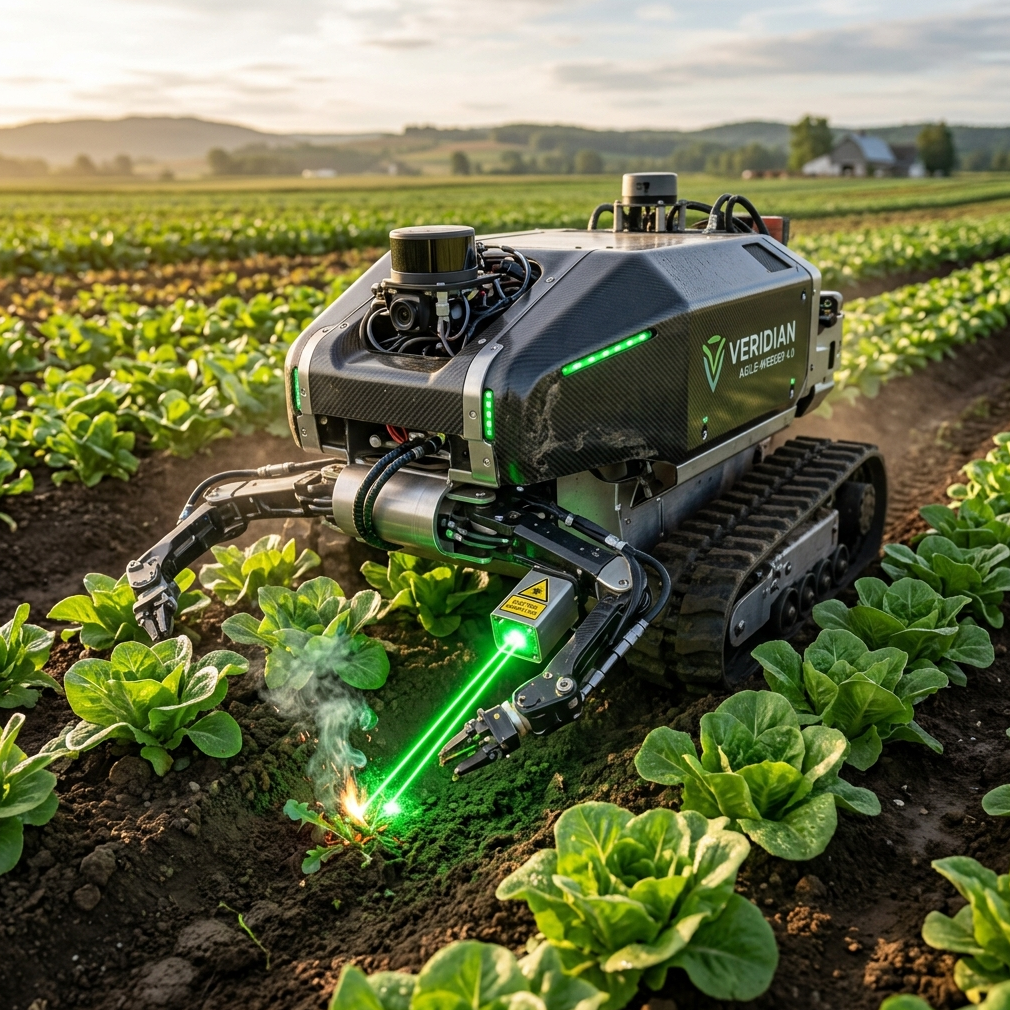
Experience how the AcreGuard OS orchestrates scouting, modular targeted treatment, and automated traps in real-time.
Live Field Telemetry
- Target Pathogen / Pest
- Fall Armyworm
- Current Job Status
- Micro-dose Job Active
- Field Threat Level
- Critical Outbreak
- Saved Chemical Costs
- Input-use estimate pending
Ecosystem Integration
Synergy: Irrigation & Water-Fertilizer Integration
Crop protection does not exist in a vacuum. AcreGuard OS seamlessly integrates with existing field irrigation systems to leverage water as the ultimate execution carrier.
Fertigation & Pesticide Integration
Connects directly to smart fertilizer and water-valve systems (like AcreFlow). AI prescriptions can be executed via the pipe mesh, injecting precise micro-doses of biopesticides and liquid nutrients directly to crop roots.
Spraying-Irrigation Coordinated Scheduling
Coordinates drone flight paths and valve timing: AcreGuard holds irrigation during spraying to prevent pesticide run-off, then triggers high-pressure mist systems to maximize crop absorption.
Pressure & Soil Moisture Back-feed
AcreGuard combines drone multispectral crop vigor data with soil moisture and pipeline pressure sensors. If soil moisture is low, it boosts drone flight heights to avoid dust kicks, keeping cameras clean.
Financial Soundness
Cost-Performance & Sustainable Operations
How AcreGuard OS turns advanced technology into a shared-service planning model for African agricultural operators and smallholder cooperatives.
Designed for shared equipment pools and service crews so smallholder farmers can evaluate access without committing to full hardware ownership upfront.
Local cooperatives can validate deployment economics across member farms before setting final fees, service windows, and ownership terms.
Prescription-led micro-dose treatment uses only the water and chemicals required for marked zones. This reduces manual logistics in drought-prone provinces.
Field economics are modeled around early detection, localized treatment, and cooperative service delivery, then validated against local crop value and pest pressure.
System Architecture
Edge-First Operational System Blueprint
AcreGuard OS places critical inference and controls local to the field, keeping critical workflows available during infrastructure disconnects.
Drone Recon Path
Maps NDVI canopy anomalies and outlines localized insect stress boundaries.
Air LayerIoT Sensor Mesh
Automated solar pheromone bait traps and soil weather probes feed local status.
Field IoTEdge Gateway Node
Maintains local database and queues telemetry when cells are completely offline.
Field CoreAcreInference Edge AI
Instantly diagnoses pests and generates micro-dose spraying prescription.
IntelligenceHuman Oversight
Configures custom authorization; high-risk actions require human-in-the-loop sign-off.
Safety BoundaryTargeted Field Action
Precision centrifugal spray applies treatment down to the centimeter, saving costs.
ExecutionRegional Cloud Sync
Syncs data and updates learning models when 4G or satellite coverage restores.
OversightShared Deployment Specs
Affordable to Deploy. Premium in the Field.
AcreGuard is built around shared, repairable, swappable field modules for weak-grid rural environments, avoiding expensive dedicated hardware purchases.
Low-Cost Modular Field Kit
Sensor, micro-spray, and power modules mount onto cooperative-owned equipment, using tool-free swaps so farmers avoid purchasing expensive dedicated machines.
Lightweight Patrol & Weed Workflow
Low-power cameras, field markers, and cooperative labor loops identify problem zones first, then route existing local tools to treat only what matters.
Hermetic IP67 Weather Seal
Dual-layer sealing keeps dust and monsoon humidity away from the core module, using simple replaceable gaskets that local technicians can service.
Wide-Temp Solar Power Pack
Uses durable LFP cells and direct solar trickle charging, sized for field reliability without oversized batteries or expensive power infrastructure.
Toolless Quick-Release Service Design
Designed for weak rural logistics with quick-release covers, manual overrides, field-replaceable parts, and shared service support.